Ajrakh is an ancient block printing technique believed to be over 4,000 years old, with roots tracing back to the Indus Valley Civilization. The name "Ajrakh" is derived from "Azrak," meaning blue in Arabic — a tribute to the deep indigo that defines this craft. Each piece undergoes 16 meticulous stages of washing, dyeing, and printing, taking up to a month to complete. The Khatri community brought this art to Kutch from Sindh around 400 years ago, and today, the village of Ajrakhpur near Bhuj remains the global hub of this UNESCO-recognized heritage craft.
Who Should Explore Ajrakh
- Textile Lovers: Witness one of the world's most complex natural dyeing processes firsthand.
- Conscious Shoppers: Support sustainable fashion with 100% natural dyes and eco-friendly methods.
- Culture Seekers: Meet master artisans preserving a 4,000-year-old tradition.
- Artists & Designers: Draw inspiration from geometric patterns that symbolize the cosmos.
Where to Experience
- Ajrakhpur Village: 15km from Bhuj. The heart of Ajrakh printing with workshops open to visitors.
- Dr. Ismail Khatri's Workshop: The most renowned Ajrakh master. Demonstrations available.
- Bhujodi & Bhuj Bazaars: Finished products available, but buy from artisans for authenticity.
- Rann Utsav: Annual festival (Nov-Feb) with Ajrakh exhibitions.
The Craft Process
16 stages of artistry
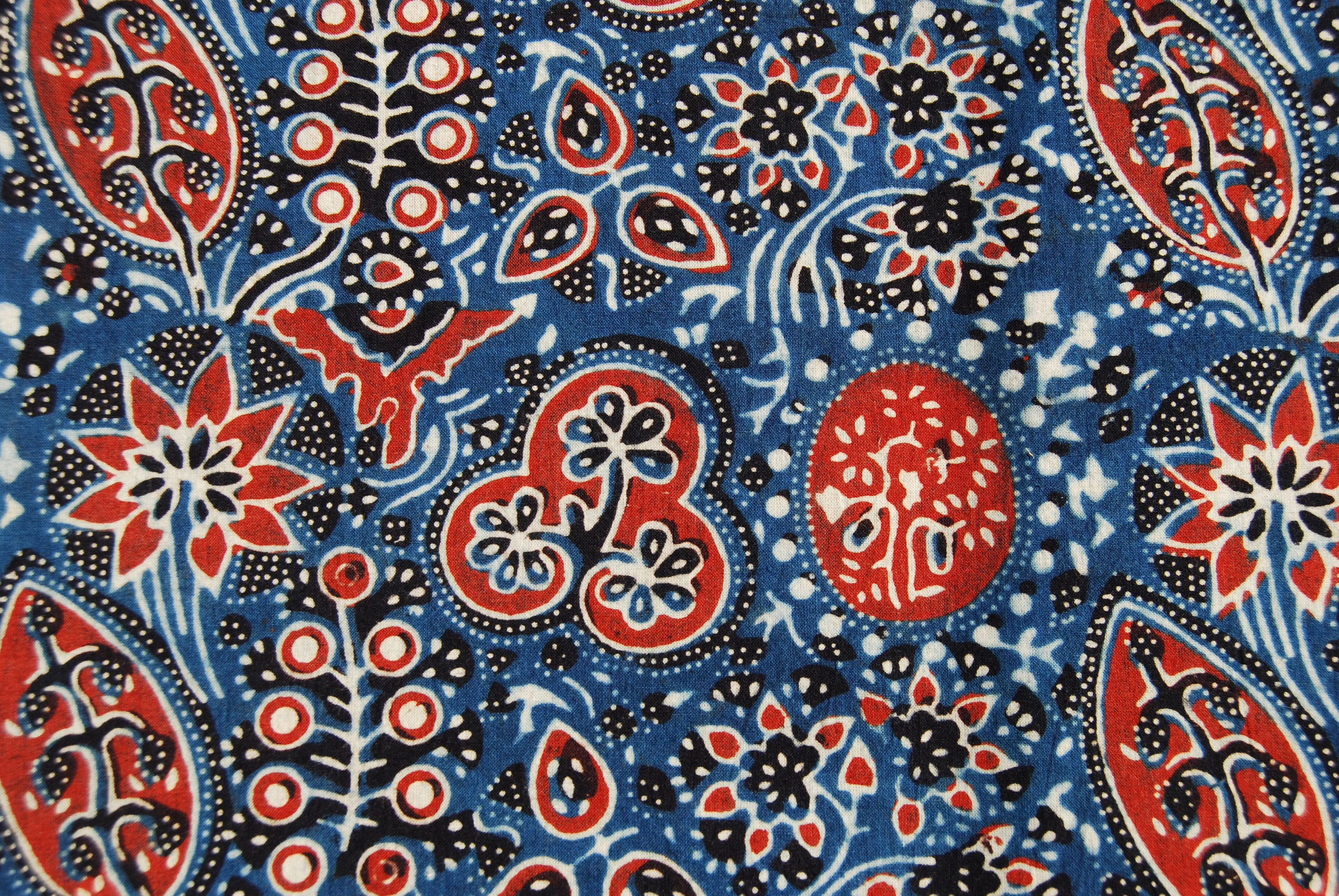
Fabric Preparation
The fabric is washed multiple times and treated with castor oil and camel dung to soften fibers and prepare them for dye absorption.
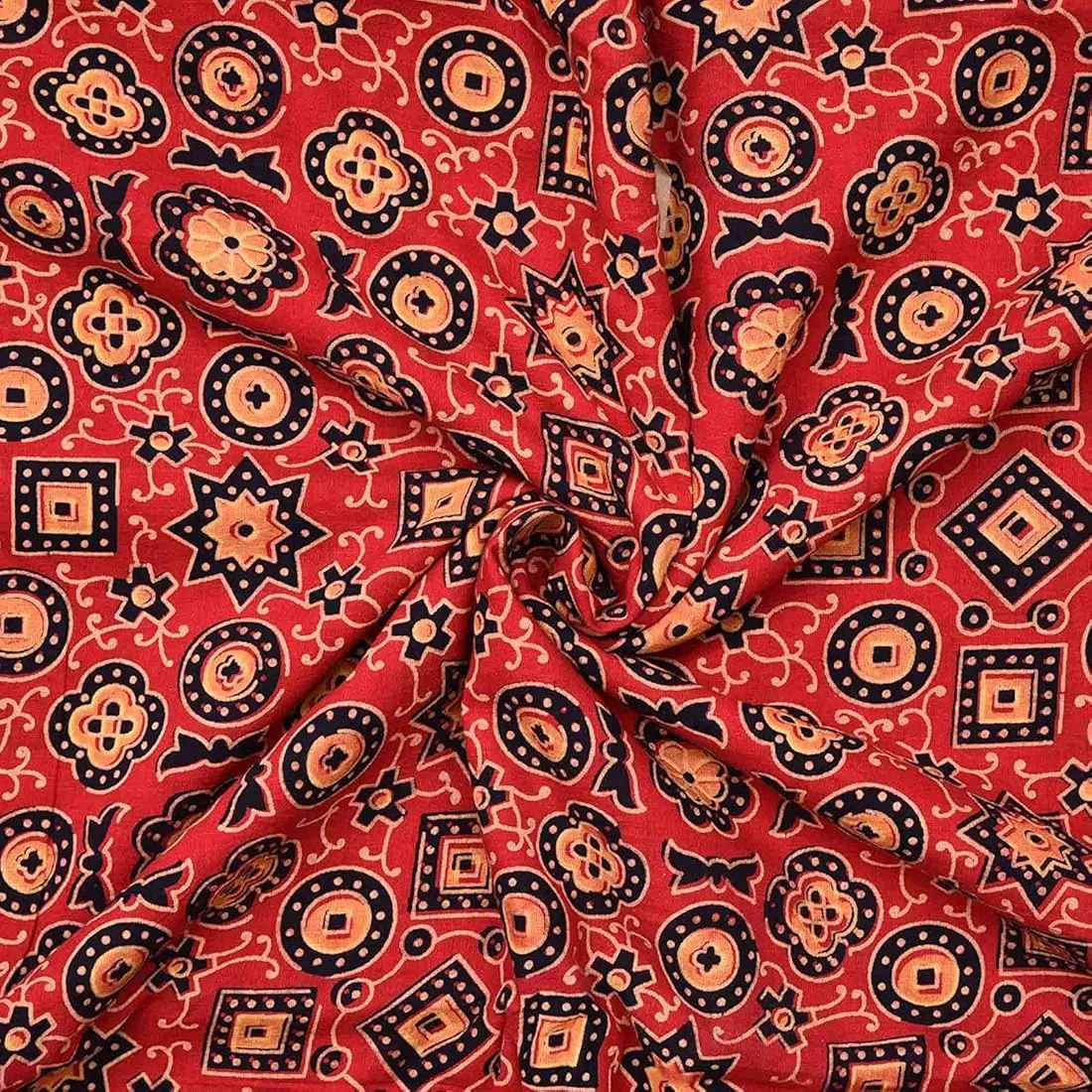
Block Printing
Wooden blocks carved with intricate geometric patterns are dipped in resist paste and pressed onto fabric. Each color requires a separate block.
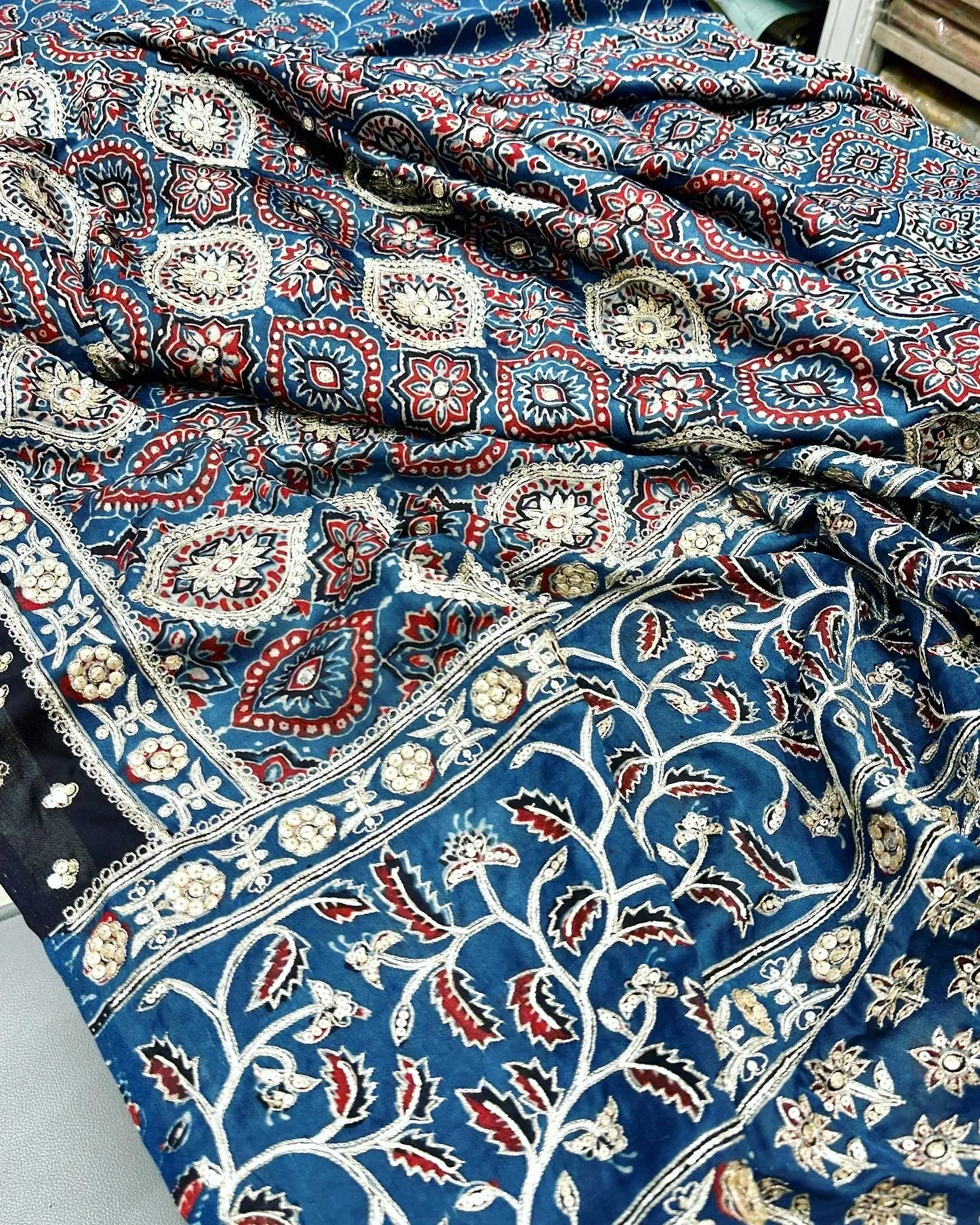
Natural Dyeing
Indigo (blue), madder root (red), and iron rust (black) create the classic Ajrakh palette. Indigo fermentation alone takes several days.
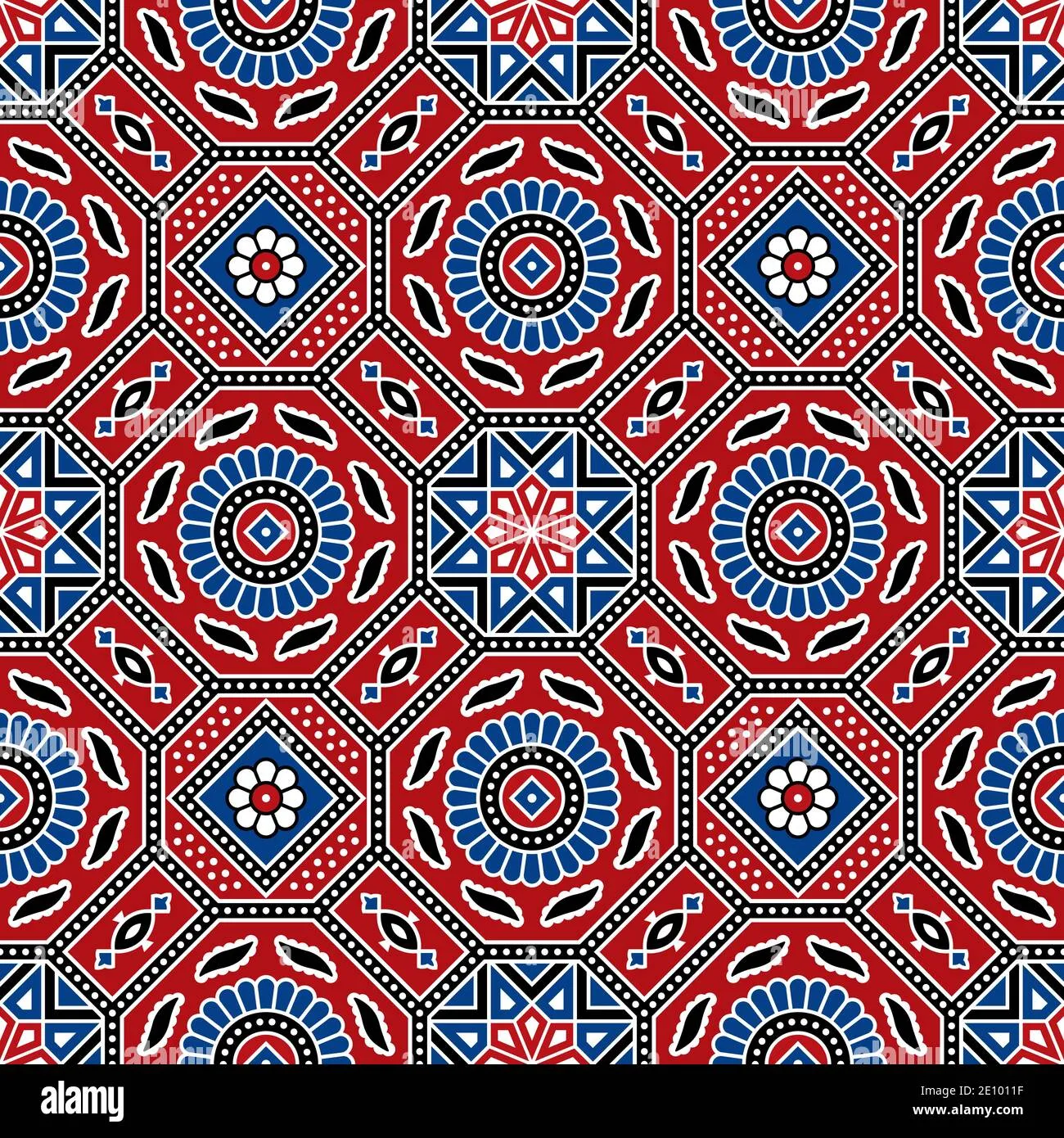
Multiple Washes
The fabric is washed up to 14 times during the process to remove resist paste and fix colors permanently.
Did You Know?
4,000 Years Old
Ajrakh patterns have been found on cloth fragments from the Indus Valley Civilization.
16 Stages
A single piece of Ajrakh goes through 16 different stages of printing and dyeing.
UNESCO Heritage
Ajrakh is recognized by UNESCO as an intangible cultural heritage craft.
Zero Chemicals
Authentic Ajrakh uses only natural materials — no synthetic dyes or chemicals.
Traditional Patterns
- Geometric Stars: Representing the cosmos and celestial harmony.
- Floral Medallions: Intricate circular designs symbolizing nature.
- Wave Patterns: Symbolizing water and the flow of life.
- Tree of Life: A sacred motif representing eternal growth.
- Border Patterns: Intricate details that frame the main design.
Colors & Their Sources
- Deep Indigo Blue: From the indigo plant (Indigofera tinctoria).
- Rich Crimson Red: From madder root (Alizarin).
- Jet Black: From iron rust mixed with jaggery.
- Mustard Yellow: From pomegranate rind.
- Earthy Brown: From harda (Terminalia chebula).
How to Identify Authentic Ajrakh
- Double-Sided Printing: Authentic Ajrakh is printed on both sides of the fabric.
- Earthy Smell: Natural dyes have a distinct earthy aroma.
- Slight Irregularities: Hand-block alignment shows minor variations — a sign of handwork.
- Color Depth: Natural indigo has a unique depth that synthetic dyes cannot replicate.
- GI Tag: Look for the Geographical Indication tag for certified authenticity.
Buying Tips
- Visit Ajrakhpur: Buy directly from artisans for authenticity and fair prices.
- Ask About Dyes: Natural dyes command premium prices but are worth it.
- Check Thread Count: Higher thread count fabric means better quality.
- Be Patient: Quality Ajrakh is never rushed — expect higher prices for intricate work.
Price Range
- Stoles & Dupattas: ₹800 - ₹3,000
- Sarees: ₹3,000 - ₹15,000
- Fabric (per meter): ₹800 - ₹5,000
- Premium Natural Dye Pieces: ₹10,000 - ₹25,000+
Prices vary based on fabric quality, intricacy of design, and whether natural dyes were used.
Explore Other Crafts
Bandhani
The ancient tie-dye art with thousands of hand-tied dots creating mesmerizing patterns.
Rogan Art
A rare 400-year-old oil painting technique practiced by only one family in Kutch.
Kutch Weaving
Vibrant handloom textiles from Bhujodi village with intricate extra-weft designs.
Lippan Kaam
Traditional mud and mirror wall art that adorns the Bhungas of Kutch.
Gallery